Format literacy before match day hype
Why Swiss pairings and double-elim losers brackets change which “must-win” narratives are real.

Esports competition network
A light, ruled newsroom for fans who want circuit literacy, role clarity, and patch context — without invented live brackets or neon gamer clutter.
Quick actions
Skip the tour. Jump into the desk surface that matches tonight’s question.
A series is a conversation under a clock. We track decisions in order so highlight clips cannot rewrite the story.
Before the server loads, format already shapes risk. A BO1 invites variance and hero plays; a BO3 rewards mid-series adaptation; a BO5 stresses prep depth and coaching timeouts. Fury writes those constraints first so later stats sit inside the right container.
Draft or veto is the first public document of intent. We ask what each side protects, what they ban to starve a signature player, and which second choices reveal discomfort. That reading stays provisional until round economy and spacing confirm it.
Early macro is about information, not highlight reels. Who takes space first? Who spends utility to leave the map quieter for a teammate? Who resets after a failed execute instead of force-buying pride? Those tells survive a single lost round.
Closers are their own craft. Fatigue, pause discipline, and substitution rules change the final map. We separate clutch aesthetics from structural advantages like side choice, economy buffers, and coach availability.
Use Fury pathways for format literacy and roster context. Partner tools stay optional, labeled, and 18+ where prediction products apply.
Annotated visual
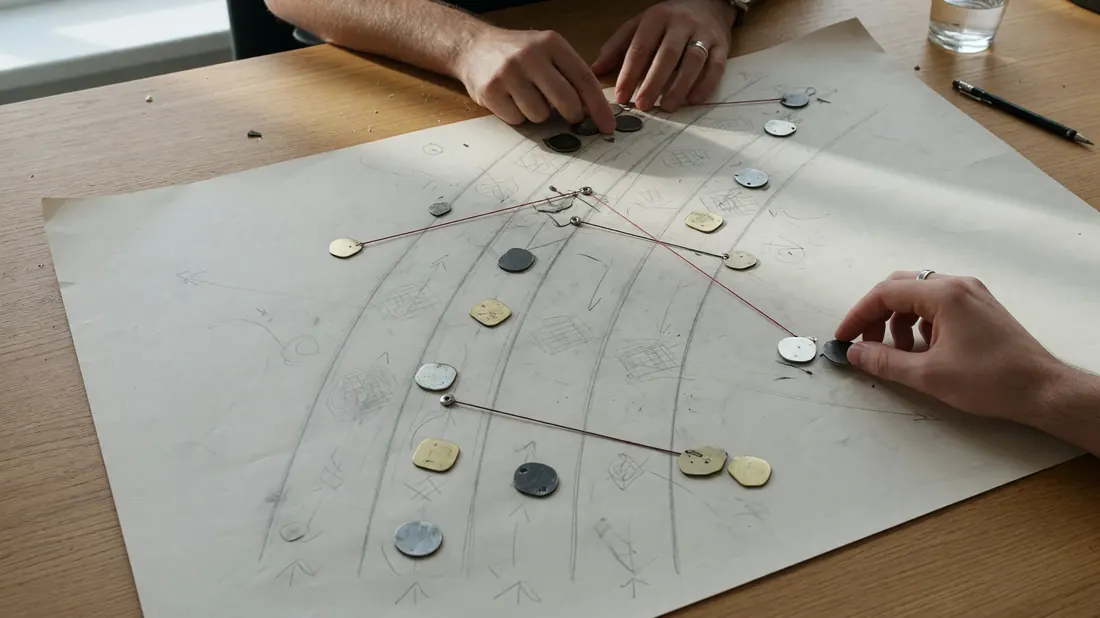
The diagonal crop is intentional: it mirrors how observers slice a map — never a full postcard, always a decision window. Fury annotations name jobs on the map: information, space, utility trade, and reset paths.
Use the same vocabulary across titles even when mechanics differ. A MOBA river ward and a tactical-shooter drone both answer “who sees first?” Reading transfers faster when language stays stable.
When a caster shouts a player name, pause and locate the structural reason. Was the duel free because of a prior utility spend? Was the rotate late because of a fake elsewhere? Annotation trains that habit.
Practice with viewing guidesOversized metrics for desk literacy — structural, not invented kill feeds.
Tournaments
Stages change storylines. A Swiss day is not a double-elim final weekend, and invite logic is not open-qualifier chaos.
Groups, GSL, Swiss, double-elim, and hybrid majors — what each rewards and how variance shows up for viewers.
Why seed paths matter more than a single logo graphic, and how to read bracket sides without spoiling yourself.
How league calendars differ from international LAN windows and why travel load changes roster reads.

Stage production is part of the text: pause culture, observer quality, and delay rules all change how much you can trust a ‘live’ social post.
Teams & players
Orgs are systems: coaching continuity, academy pipeline, role clarity, and travel discipline. Players are roles under constraints, not highlight reels.
Region and server home
Coach tenure and analyst support
Role sheet with starters vs flex
Recent LAN sample quality
Communication bans or restrictions if public
Primary role vs emergency fills
Signature setups opponents ban toward
LAN vs online split when samples exist
Contract window noise vs confirmed moves
Practice block rumors labeled unconfirmed
Build identity panels from primary sources: official rosters, verified interviews, and match VODs — not anonymous tier lists.
Games & patches
Most public “meta” talk overfits one weekend. Fury groups changes by class: information tools, economy, mobility, objective timers, and defensive answers.
| Change class | Viewer question | What to watch in VOD |
|---|---|---|
| Information | Who sees first? | Drone/ward/util paths before contact |
| Economy | Who can re-hit? | Buy patterns after failed executes |
| Mobility | Who chooses fights? | Rotate timing and flank discipline |
| Objectives | What is the real clock? | Setup time before major timers |
| Defense | What punishes greed? | Retake utility and post-plant holds |
When a patch lands mid-circuit, compare the same team against similar opponents before and after — single-series samples lie.
Viewing craft
Spoiler hygiene, audio routing, and note templates turn long match days into learning instead of noise.
Official broadcast first; secondary streams only when you need language or co-stream context.
Write each side’s plan in one sentence before map start. Update only when evidence forces it.
Mark pauses, timeouts, and the first clear mid-series change — those are analysis gold later.
Evidence
Official tournament pages, publisher patch notes, verified org channels, full match VODs.
Named journalists with a track record; still secondary until orgs or officials confirm.
Anonymous tips, edited clips, and tier-list accounts. Useful as questions, never as facts.
Desk wire
Evergreen newsroom angles you can apply whenever a roster move or format day hits the timeline.
Why Swiss pairings and double-elim losers brackets change which “must-win” narratives are real.
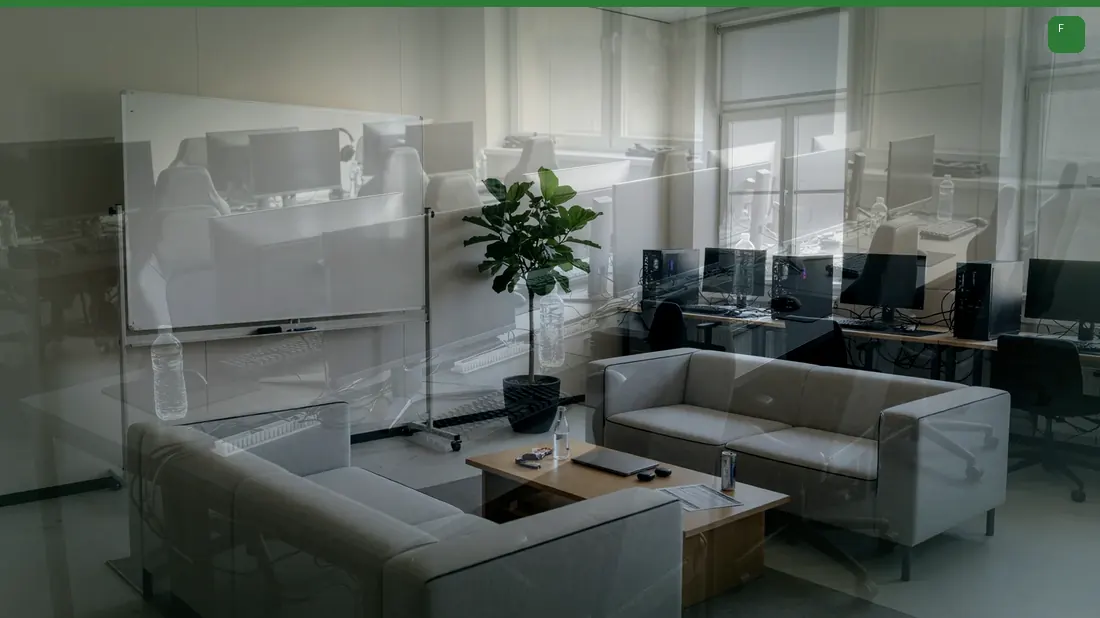
Coach tenure, role continuity, and LAN sample size — a calmer way to read transfer season noise.
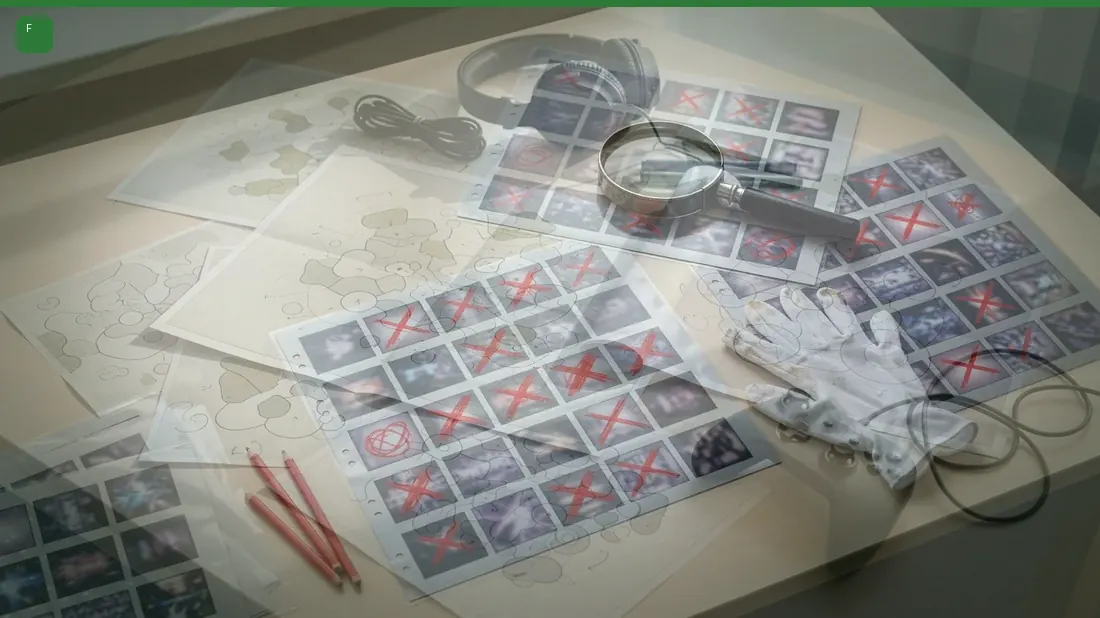
Class-level change tracking so one viral clip cannot redefine an entire competitive title overnight.
Community questions
Fury is an esports competition network desk: tournament formats, match-reading craft, team and player literacy, game/patch context, viewing guides, and evidence standards.
No. We explain how to read series and circuits. Live scores belong to official broadcasters and tournament operators; we avoid inventing brackets or results.
Coverage methods work across major competitive titles. Game hubs explain title-class differences (FPS, MOBA, tactical shooters) without fake tier lists.
Start with format and win conditions, then roster roles, then patch-class changes, then VOD checkpoints. The guides section expands each step.
It is a first-party partner route for optional prediction context. It is not a substitute for publisher accounts, team apps, or tournament credentials.
We separate org-reported notes, journalist-confirmed moves, and unconfirmed chatter. Unverified items stay labeled until a primary source appears.
On any surface that touches prediction or bankroll context, plus a dedicated responsible play guide. Adults only where those tools apply.
Clips are prompts, not proof. Prefer full VODs, official statements, and multi-angle breakdowns before changing your read of a roster or meta.
Related pathways

Fury is an editorial desk. Optional partner prediction tools are for adults in lawful jurisdictions only. Never chase losses, never treat a highlight as a guarantee, and keep bankroll decisions separate from fandom.
Best-of series lengths that change adaptation windows and coaching value.
Pairing system by record; undefeated and elimination brackets tell different stories.
Who entry, who anchor, who flex — independent of jersey popularity.
Group of changes that shift information, economy, or objective timing together.
Official pages, full VODs, verified org channels — top of the evidence ladder.
LAN events stress travel, stage noise, and pause culture differently than online.
Is this a fresh BO5 or a survivors’ bracket with fatigue already priced in?
Which player or composition is the ban sheet built to starve, and is that still working?
Are you reacting to a primary VOD pattern or a clipped narrative?
Mute quote-tweet chains that strip context from a single round. If the clip has no scoreboard, no timer, and no opponent name, it is entertainment, not analysis.
Prefer delayed official broadcasts when gambling-adjacent chat tries to speed-run spoilers. Your understanding improves when you control information order.
When roster rumors spike, open the teams and players desks and fill the identity panel fields you can actually source. Blank fields are honest; filled guesses are not.
Explore tournaments, matches, teams, players, games, guides, and news — then optionally use partner tools with adult limits.